What to Know Before Buying Waterfront Property in Maine
There's a reason waterfront listings in Greater Portland rarely sit on the market long. The appeal is obvious, your own dock, sunrise over the bay, the sound of water instead of traffic. But waterfront property is its own category of real estate, with rules, risks, and costs that don't apply to a typical home purchase. If you're considering buying on the water in Maine, here's what you need to understand before you fall in love with a listing photo.
1. Water Rights Aren't All the Same
Not every property that touches water gives you the same rights to use it. In Maine, you'll typically run into a few different scenarios:
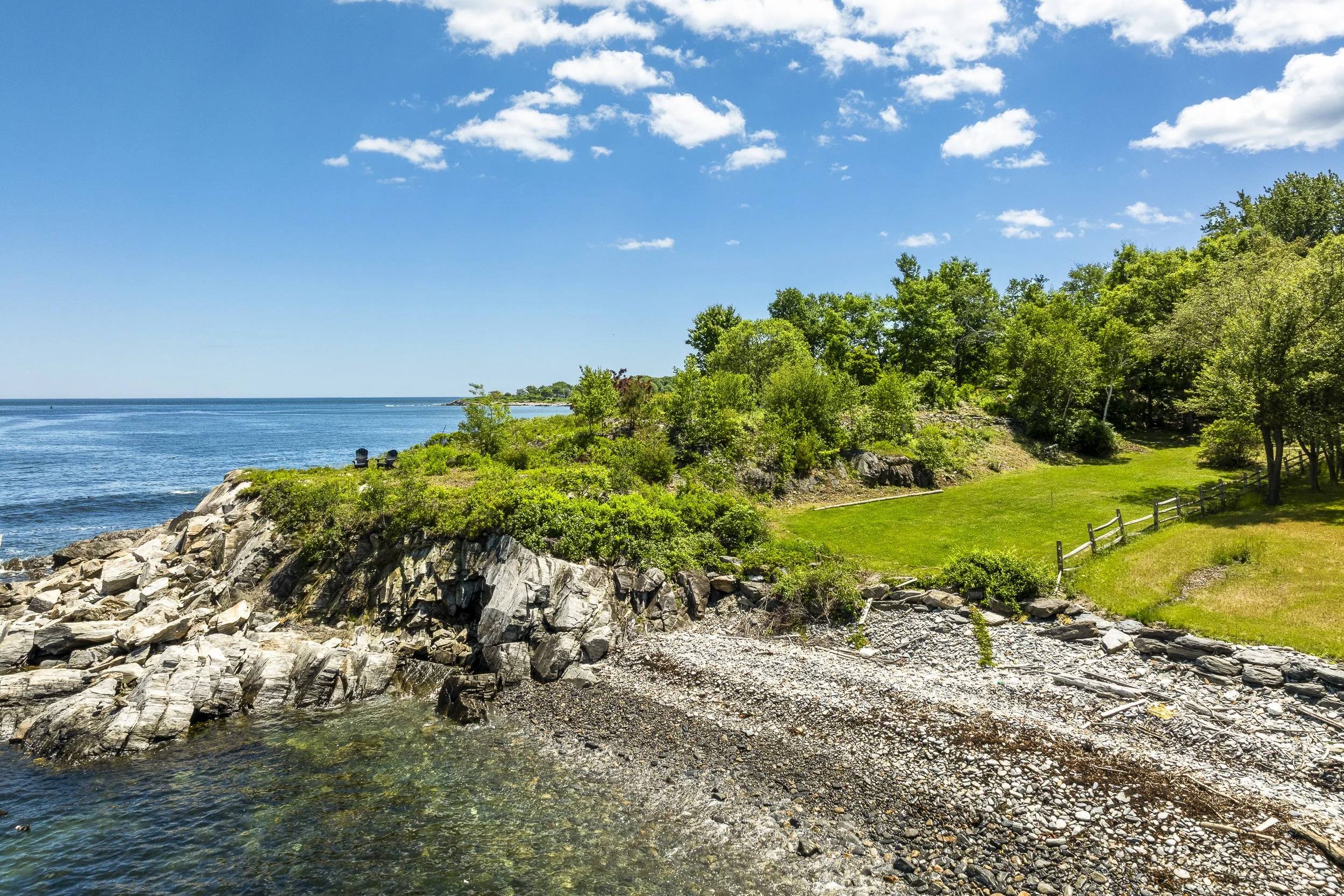
Deeded waterfront. You own the land down to the water's edge (and in some cases, into the intertidal zone, which is unique to Maine law).
Shared or association access. Common in some neighborhoods and developments, where you have a right to use a beach or dock, but don't own the waterfront itself.
Riparian rights. The legal rights tied to water access, which can include things like building a dock, but don't always include exclusive use of the shoreline.
Before you get attached to a property, ask your agent to clarify exactly what kind of access the deed actually grants. "waterfront" in the listing description and "waterfront" in the deed aren't always the same thing.
2. Flood Zones Will Shape Your Financing
Many waterfront properties fall within FEMA-designated flood zones, which means flood insurance isn't optional, it's required by most lenders. This can add a meaningful cost to your monthly housing budget, and it's worth getting a flood insurance quote before you go too far into the buying process, not after.
It's also worth checking how flood zone designations have shifted over time. Maps get updated, and a home that wasn't in a flood zone a decade ago might be now.
3. Docks Come With Permitting, Not Just Construction Costs
If a property doesn't already have a dock and you're hoping to build one, know that Maine regulates shoreline construction closely. The Department of Environmental Protection (DEP), along with local code enforcement, is typically involved in permitting docks, piers, and other shoreline structures. Depending on the town and the specifics of the lot, this process can take time and isn't guaranteed to be approved.
If a dock is a must-have, it's worth having an open conversation with local permitting offices before you buy, not after closing.
4. Shoreline Erosion Is a Real Maintenance Consideration
Maine's coastline takes a beating from tides, storms, and ice. Erosion can affect property lines over time, undermine retaining structures, and in some cases limit what you're able to build or rebuild near the water. Older homes near tidal areas are especially worth a closer look — ask about any history of erosion, retaining wall repairs, or shoreline stabilization work.
5. Septic and Well Systems Can Limit Your Options
A lot of waterfront homes in Maine, especially outside the immediate Portland area, run on septic systems and private wells rather than municipal hookups. Proximity to water can actually restrict where a septic system can be installed or expanded, which matters if you're planning an addition, a guest house, or even just upgrading an older system. Get a septic inspection and well water test as part of your due diligence. Don't assume it'll work like a standard suburban lot.
6. Financing Waterfront Property Isn't Always Straightforward
Some lenders treat waterfront purchases differently than standard residential loans, and appraisals can be trickier. There's often less comparable sales data for unique waterfront parcels, which can lead to appraisal gaps. Working with a lender who has direct experience with waterfront financing in Maine will save you a lot of headaches mid-transaction.
7. Insurance Costs Go Beyond Flood Coverage
Flood insurance is just one piece. Waterfront homes can also see higher premiums for wind and storm damage, depending on location and exposure. It's worth getting a full insurance estimate, not just flood coverage, before you finalize your offer, so there are no surprises in your total cost of ownership.
The Bottom Line
Waterfront property in Maine is genuinely special, but it's also a more complex purchase than a typical home - legally, financially, and logistically. The buyers who have the smoothest experience are the ones who ask the right questions early, rather than discovering issues during inspection or after closing.
If you're considering a waterfront purchase in Greater Portland, I'd be glad to walk you through what's currently available and help you navigate the details specific to the property you have in mind. Reach out anytime. This is exactly the kind of transaction where having the right guidance makes a real difference.
Erin Haber is an Associate Broker and Owner at Town & Shore Real Estate, specializing in Greater Portland and Southern Maine's coastal communities. A Cape Elizabeth native licensed since 2001, she helps buyers, sellers, and relocation clients navigate one of New England's most sought after markets.