What You Spent on Your Renovation Isn't What Your House Is Worth
When a seller's list price is built around what they spent on their renovation, buyers often read it as the seller expecting them to pay a premium for something the seller decided added value, not the market.
"We put $400,000 into this place. "New windows. Imported stone. A kitchen full of high-end appliances. Extensive landscaping and a swimming pool.”
I believe them. The costs sound about right. But what I can't tell them, at least not in a way that feels good, is that none of it guarantees a higher sale price.
Buyers Aren't Reimbursing You
Here's the disconnect. A buyer doesn't walk through your home and ask what you spent. They ask what it's worth to them, compared to the other five houses they toured this month.
That's an entirely different math problem than the one you solved when you were writing checks to contractors.
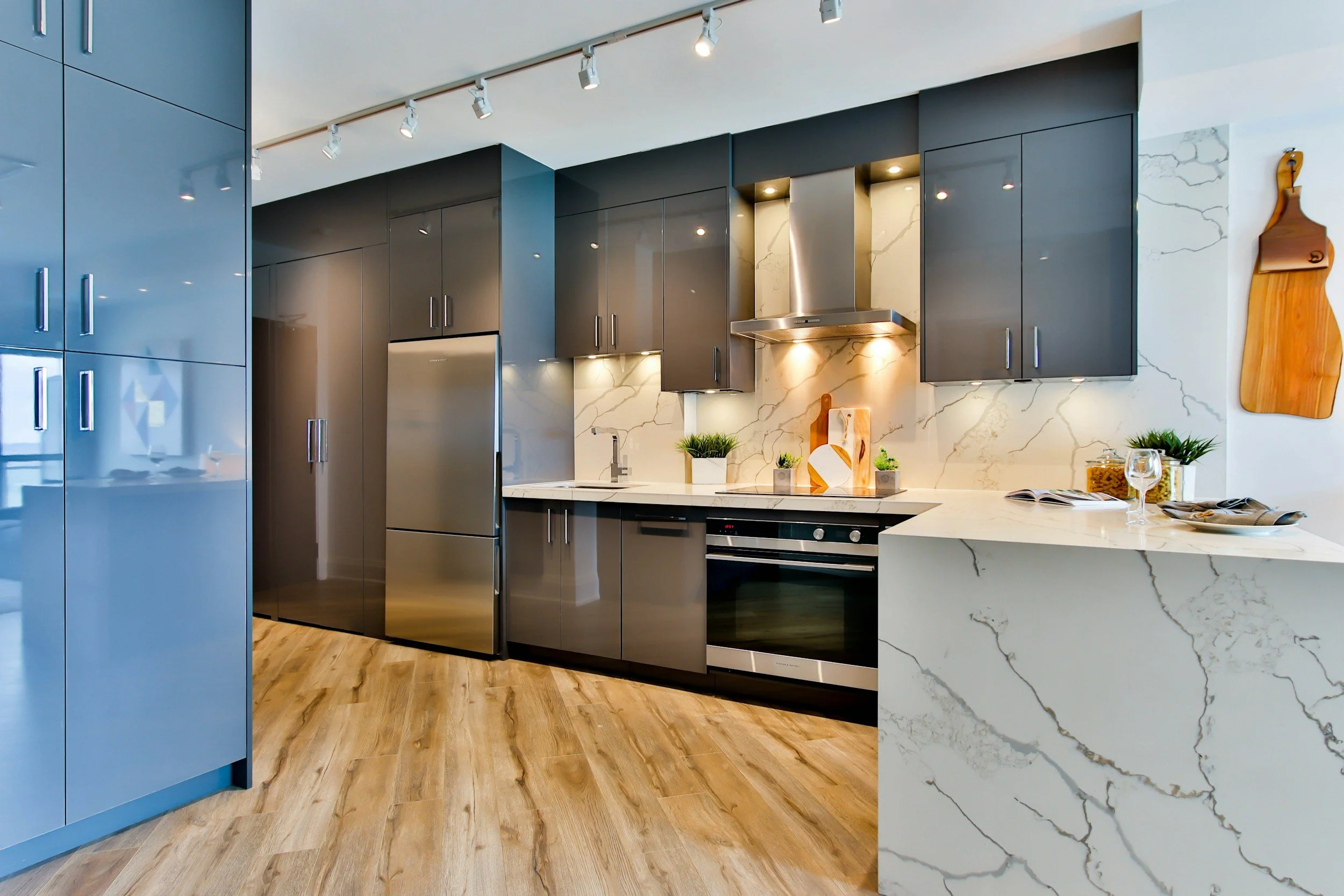
Where the Gap Usually Comes From
In my experience, the properties that don't recoup their renovation costs tend to fall into a few categories:
Over-improved for the street. A $2M renovation on a home surrounded by $900K comparables rarely closes that gap, the neighborhood sets a ceiling buyers won't cross.
Personalized rather than improved. A feature built around one owner's taste doesn't transfer. The next buyer often sees it as something to undo, not something to pay extra for.
Invisible upgrades. Buyers don't get excited about a new boiler or upgraded electrical the way they do about a kitchen, even if the boiler cost more.
Emotional pricing. Once you've decided in your head what the house is "worth" because of what you put into it, that number becomes very hard to let go of when the market disagrees.
So Does Any of It Actually Add Value?
Some of it, yes. But the return depends heavily on which project you're talking about.
Kitchen refreshes, bathroom remodels done at a mid-range level, a new garage door, and exterior curb-appeal tend to recoup the largest share of their cost, often 60–90% or more. A new roof rarely wows a buyer, but it removes a reason for them to walk away or negotiate the price down, which functions like value even if it doesn't feel glamorous. Fresh paint and refinished floors are inexpensive and consistently punch above their cost.
On the other end, luxury finishes that exceed what the neighborhood supports, elaborate landscaping, and highly personalized spaces, such as a wine room, a home theater, anything built around one owner's specific taste, tend to underperform. Pools fall into the same category in a lot of Maine markets, where the return rarely matches the investment.
The improvements that hold up best share one thing in common: they remove an objection or match what a typical buyer already wants, rather than pushing past what the neighborhood, or the next owner's taste, will support.
Sellers Don't Set Market Value. Buyers Do.
Market value is the price a buyer is willing to pay a seller in a fair and open market. It isn't determined by what a seller believes a home is worth. It's determined by what a ready, willing buyer actually decides to pay for it.
A seller can list a home at any price they choose. But once emotion drives that number, what was spent rather than what the market will support, it sends a signal to buyers, not confidence. It reads as overpriced, and buyers respond accordingly: fewer showings, longer days on market, and often a harder negotiation than if the price had reflected the market from the start.
That's not a reason to avoid renovating. It's a reason to renovate strategically. Before you spend a dollar, it's worth understanding which upgrades your specific market actually rewards, and which ones are really just for you to enjoy while you live there.
If you're weighing a renovation and want a read on what will actually pay off at resale in your neighborhood, that's a conversation worth having before the work starts.